Guide
Washing a set so both halves still match
The top and the bottom left the factory the same shade. Whether they stay that way is decided in your laundry room, and the label is the instruction sheet.
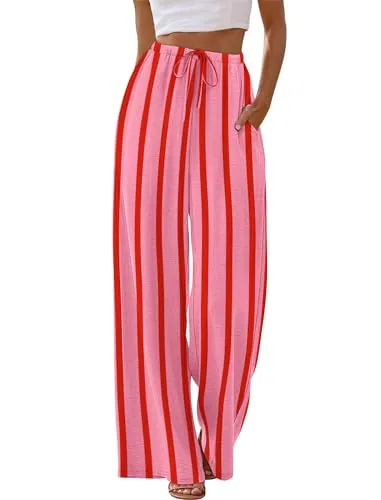
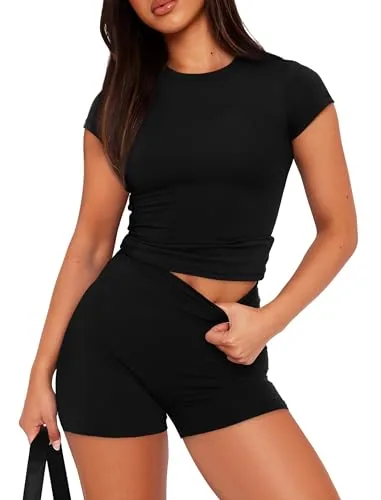
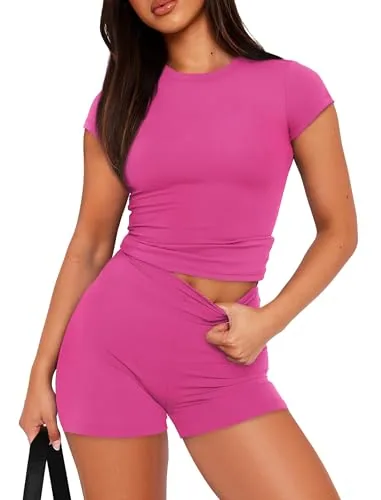
A matching set has one property that no other garment has and one problem that follows from it. The property is that the two halves were cut from the same cloth. The problem is that they get washed a different number of times.
Tops get worn more than bottoms. They get washed more, dried more, and after a season the top of a set is a shade lighter than the trousers it came with. Everything below is about stopping that, and most of it is about doing less.
Wash them together, every time
The single most effective rule is also the least obvious. Wash the halves of a set together, in the same load, at the same temperature, every time either one needs it.
Fading is cumulative. Every wash removes a little dye, every tumble abrades a little surface, and two garments that have been through the same washes are the same colour by definition. Two that have been through different washes are not, and nothing reverses that.
In practice this means the trousers get washed a few more times than they strictly need. That is a small price. A set whose halves no longer match is two ordinary garments that happen to be the same style.
If you own two sets in the same colour, keep the halves paired. Swapping the top of one with the bottom of the other for a season is how you end up with four pieces that almost match.
What the label is required to say, and why it says it
Care labels are not the manufacturer's suggestion. They are governed by a Federal Trade Commission rule that spells out, line by line, what the label has to cover. The washing line comes first:
The label must state whether the product should be washed by hand or machine.
Federal Trade Commission, 16 CFR Part 423, Care Labeling of Textile Wearing Apparel
Hand or machine is a real distinction and not a cautious one. A label that says hand wash is telling you the fabric will not survive the mechanical action of a drum on a regular basis, and a machine on a delicate cycle is still a drum.
Drying is its own required line, and it is the one most people skip:
The label must state whether the product should be dried by machine or by some other method.
Federal Trade Commission, 16 CFR Part 423, Care Labeling of Textile Wearing Apparel
Some other method means flat or on a line. Almost every knit in this range says it, and almost every knit that goes baggy at the elbow went baggy in a dryer. Heat relaxes the fibre while the drum stretches it, and it sets in the stretched state.
Ironing appears on a label only when the garment needs it, which tells you something in itself:
Ironing must be mentioned on a label only if it will be needed on a regular basis to preserve the appearance of the product
Federal Trade Commission, 16 CFR Part 423, Care Labeling of Textile Wearing Apparel
A knit set with no ironing line is a set that is meant to be worn straight from the drying rack. That is not laziness on the label. It is the rule working as intended.
Sets in the range, rated by buyers
All sets


Bleach, and the one line that is easy to misread
The bleach line on a label has a strict logic that most people read backwards. The rule says when a label must warn you:
If all commercially available bleaches would harm the product when used on a regular basis, the label must say “No bleach” or “Do not bleach.”
Federal Trade Commission, 16 CFR Part 423, Care Labeling of Textile Wearing Apparel
Read that carefully. A label says no bleach when every bleach would harm the garment. It does not say anything when bleach is safe. So a label without a bleach line is not a label that forgot. It is a label telling you, in the quietest possible way, that bleach will not hurt this piece.
For coloured sets the practical answer is still no. Oxygen bleach, the kind sold as colour safe, will not destroy a dyed knit, and it will shift the shade of whichever half gets more of it. Which brings us back to the first rule.
Cold, and the reason it is not a compromise
Cold water does three jobs at once. It releases less dye from the fibre, it does not set stains, and it does not relax elastane. Warm water does the opposite of all three, and hot water does it faster.
The argument for warm is cleanliness, and for a set worn to lunch and on a plane it is not a strong one. Modern liquid detergents are built to work cold. Sweat, sunscreen and coffee come out at cold with an ordinary dose.
The one case for warm is a genuine grease stain, and the answer there is to pretreat the spot rather than cook the whole set.
| Fabric blend | Pieces listed | What it means for the wash |
|---|---|---|
| 60% Polyester, 35% Rayon, 5% Spandex | 55 | Low stretch: holds shape, still no dryer |
| 88% Polyester, 12% Spandex | 35 | Everyday stretch: rinse and dry flat |
| 100% Polyester | 31 | Stretch not stated |
| 95% Cotton, 5% Spandex | 23 | Low stretch: holds shape, still no dryer |
| 92% Rayon, 8% Spandex | 22 | Everyday stretch: rinse and dry flat |
| 95% Polyester, 5% Spandex | 20 | Low stretch: holds shape, still no dryer |
The blends are counted from the pieces in this catalogue that state one. Higher spandex means more of the garment is the part that heat and bleach damage, and more reason to keep the water cold.
Detergent: less than the bottle says
Doses printed on a bottle are set for a full drum of dirty cotton. A set in a half load needs a fraction of that, and detergent that is not rinsed out stays in the fibre, stiffens it and attracts the next load's dirt.
Liquid for delicates or for dark colours is the right kind. Powder is built around alkaline builders that are harder on dye. Fabric softener coats the fibre with a lubricant that stops knit recovering, and the sets that go slack at the waistband are usually the ones washed with softener.
If a set comes out stiff, it is detergent residue rather than a fault. A second rinse fixes it. More detergent does not.
Sweaters and sweatshirts, sorted by ratings
All sweaters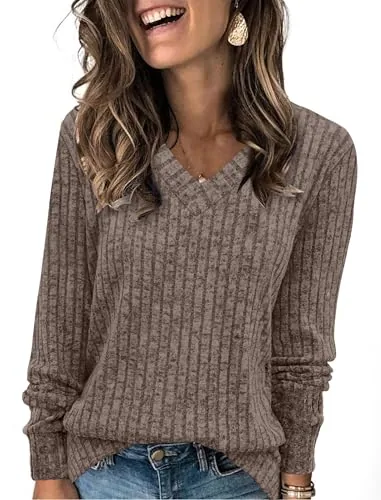
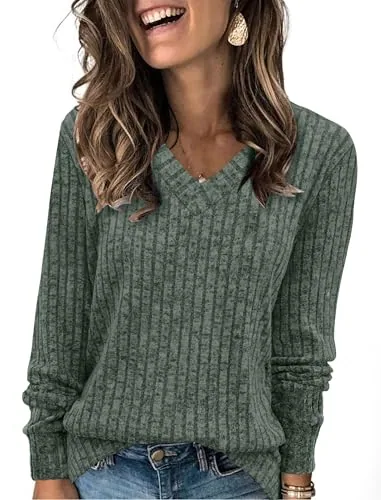
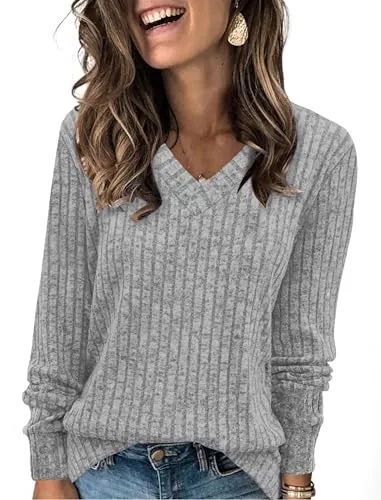
Inside out, and why it matters more for knits
Turning a garment inside out for the wash puts the surface you see against the drum's inside rather than against the other garments. On a knit that stops pilling, on a print it stops cracking, and on a dark colour it slows fading.
It is a two second habit and it does more for a set than any product. Do it to both halves, for the reason that runs through this whole guide.
Zips, hooks and anything with a hard edge go in a separate load or a mesh bag. A single zip in a load of knits is a small saw.
Drying flat, and the two minutes it takes
Flat drying is the step people know about and skip, because it takes space and it takes a day. Here is how to make it take less of both.
- Out of the machine as soon as it stops. A wet knit left in a drum creases along the folds and holds the crease.
- Roll each piece in a dry towel and press. This takes out more water than a spin cycle does and stretches nothing.
- Lay flat on a rack or a towel, in shade, reshaped by hand. Pull the waistband round, square the shoulders.
- Turn once, halfway through. The underside dries last.
A hanger is fine for a woven shirt and wrong for a knit. Hang a wet knit sweater and the water's weight stretches the shoulders into two points that never go away.
Colour, print and what fades first
Not every colour fades at the same rate, and this decides which sets need the most care. Reds and bright pinks go first because their dyes are the least stable under light. Black shifts towards grey-brown rather than staying black. Navy and dark green hold longest.
Prints fade faster than solids, because the print sits closer to the surface than a dyed solid does, and a faded print looks worse because the contrast between its colours drops unevenly.
None of this argues against a red set. It argues for drying it in shade rather than in sun, and for washing both halves together so that whatever fading happens, happens to both.
Pilling: what it is and what to do about it
Pills are short fibres that have worked loose and tangled into balls on the surface. Every knit does it somewhere, and the places are predictable: under the arm, at the hip where a bag rubs, on the inside thigh of trousers.
Pilling is mostly friction, and that is the reason inside out and a gentle cycle slow it. It is not a sign of a bad garment. It is a sign of a knit being a knit.
A fabric comb or a battery shaver removes pills cleanly and does not harm the fabric if used lightly. Pulling pills off by hand pulls the fibre with them and makes the next pill sooner.
Ribbed and jersey tops, rated
All tops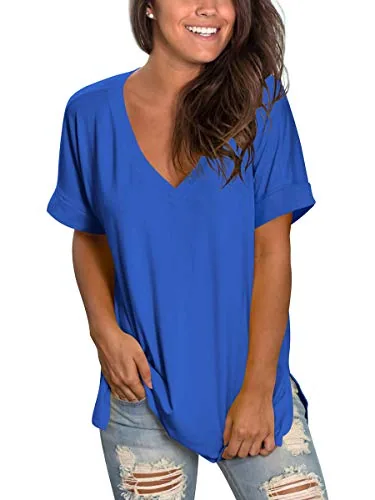

The whole routine, in order
- Both halves in the same load, always.
- Inside out, zips elsewhere.
- Cold water, delicate cycle, low spin.
- Half the detergent the bottle says. No softener. No bleach on colours.
- Straight out, rolled in a towel, laid flat in shade, reshaped.
- Pills combed off, not pulled.
That is six lines and about four extra minutes per wash. Step one does most of the work, and it is the one nobody tells you.
What a set should reasonably last
A knit set worn weekly and washed as above looks right for a couple of years. A linen set softens and creases and looks better for it. A set washed hot, dried hot and washed one half at a time looks like two garments within a season, and that is not a fault in the set.
The signs a set is finished are specific. The halves no longer match in daylight. The waistband has stopped recovering. The elbows and knees are visibly thinner than the body. One of those is survivable. All three mean the set has done its work.
The sizing guide covers buying the replacement, and the label guide covers reading the tag on it before you do.
Sources we read
| Source | Published by | Read |
|---|---|---|
| 16 CFR Part 423, Care Labeling of Textile Wearing Apparel | Federal Trade Commission | 4 September 2026 |